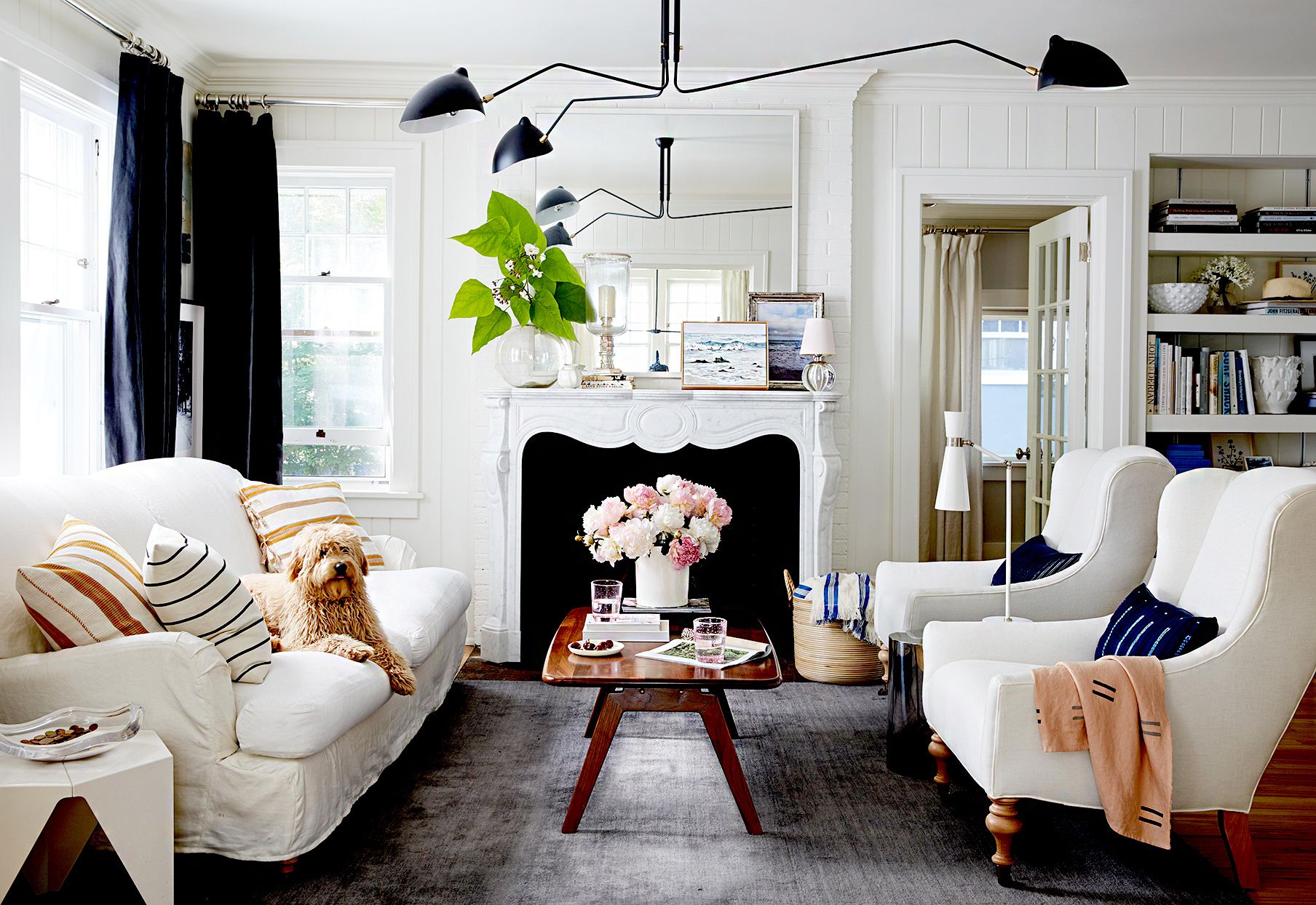
A well designed home should do more than simply look attractive. Every room should serve a purpose while adapting to the changing needs of the people who live there. Whether you have a compact apartment or a spacious house, improving functionality can make daily life more comfortable, efficient, and enjoyable. Instead of focusing only on expensive renovations, thoughtful planning and creative organization can transform the way each room is used.
Start With Purpose Before Decoration
Many homeowners begin decorating before deciding how they actually want to use a space. A better approach is to define the primary purpose of every room and identify any secondary functions it could support. A guest bedroom, for example, can also become a home office, while a dining area can double as a study space during the day.
Planning with intention reduces clutter and ensures every piece of furniture contributes to the room instead of taking up valuable space. Just as programs such as Kanya Sumangala Yojana are designed with a clear objective to support beneficiaries, every room functions better when its purpose is clearly defined from the beginning.
Choose Furniture That Does More Than One Job
Multifunctional furniture is one of the smartest investments for modern homes. Storage ottomans, extendable dining tables, foldable desks, and beds with built in drawers allow homeowners to maximize available space without sacrificing comfort.
Instead of filling a room with several individual pieces, look for furniture that combines storage, seating, or work surfaces into one design. This creates a cleaner appearance while making the room easier to maintain and navigate.
Make Vertical Space Work Harder
Many homes have unused wall space that can become valuable storage. Floating shelves, tall cabinets, pegboards, and wall mounted organizers free up floor space while keeping everyday items within easy reach.
Learning creative storage techniques can come from many sources. Home improvement blogs, design communities, and informational platforms such as banglarbhumi.news often remind readers that organized spaces contribute to greater efficiency in everyday living.
Improve Lighting for Better Usability
Lighting has a major influence on how functional a room feels. A single ceiling fixture often leaves work areas too dark while creating unnecessary shadows.
Layering different types of lighting makes every activity easier. Combine natural daylight with task lighting for reading, accent lighting for decoration, and ambient lighting for general comfort. Adjustable lighting also allows the room to transition smoothly from work mode during the day to relaxation in the evening.
Create Storage That Matches Daily Habits
Storage solutions should reflect how people actually live rather than simply following design trends. Frequently used items should remain easily accessible, while seasonal or rarely used belongings can be stored higher or farther away.
Open baskets near entryways, drawer organizers in kitchens, and labeled containers inside closets reduce wasted time searching for everyday essentials. If you regularly explore organization ideas online, you may occasionally come across suggestions encouraging readers to visit this site for inspiration, but the most effective systems are always those customized to your own routine.
Keep Digital Organization in Mind
Functionality is no longer limited to physical furniture. Charging stations, cable management systems, and dedicated workspaces have become essential parts of today’s homes. Hidden charging drawers, wireless charging pads, and organized cable routing prevent visual clutter while improving convenience.
Even digital tools that simplify property related tasks, including services associated with kaveri online valuation, demonstrate how thoughtful organization can save time and reduce unnecessary complications in everyday life.
Design Flexible Spaces for Changing Needs
Modern lifestyles continue to evolve. A room that serves one purpose today may need to support completely different activities next year. Choosing movable furniture, modular shelving, and lightweight seating allows homeowners to reconfigure spaces without major expense.
Children’s playrooms can gradually become study areas, spare bedrooms can transform into hobby rooms, and living spaces can accommodate occasional remote work when flexibility is built into the design.
Maintain Organization Through Simple Systems
The most functional homes stay organized because they follow simple maintenance habits. Returning items to their designated places, performing quick weekly decluttering sessions, and regularly reviewing storage needs prevent mess from accumulating over time.
Administrative systems benefit from structured organization as well. Digital platforms such as Manav Sampada illustrate how organized processes can simplify routine management, a principle that also applies when maintaining an orderly and efficient home.
Conclusion
Creating a more functional home does not require expensive remodeling or constant redecorating. By defining the purpose of every room, selecting versatile furniture, improving lighting, maximizing storage, embracing flexibility, and maintaining organized systems, homeowners can significantly improve everyday comfort. Small, intentional changes often deliver the greatest long term benefits, making every room more practical, inviting, and enjoyable for years to come.
