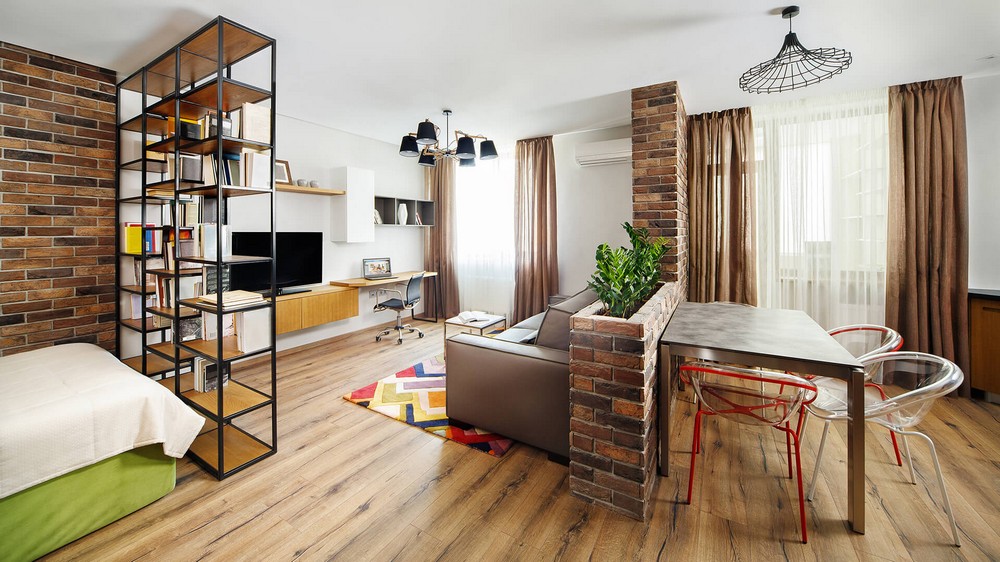
The way people use their homes has changed dramatically in recent years. A house is no longer just a place to relax after work. It has become an office, a classroom, a fitness area, and sometimes even a creative studio. As lifestyles continue to evolve, homeowners are realizing the importance of spaces that can adapt to different needs without requiring major renovations.
Flexible living spaces make it easier to respond to changing circumstances. Whether welcoming a growing family, working remotely, or creating room for hobbies, adaptable interiors provide lasting value. Instead of designing rooms with a single purpose, more people are embracing layouts that allow multiple activities throughout the day.
Multi Purpose Rooms increase Everyday Convenience
One of the greatest advantages of flexible living spaces is their ability to serve more than one function. A guest bedroom can also become a home office, while a dining area can double as a study space during the day. This approach helps homeowners maximize every square foot without feeling crowded.
Modern furniture also supports this trend. Foldable desks, storage beds, expandable tables, and modular seating make it simple to transform a room within minutes. Similar to how digital platforms such as Visit Sts Login help users access different services efficiently, adaptable home designs create convenience by allowing spaces to serve multiple purposes.
Smart Storage Keeps Homes Organized
Flexibility is difficult to achieve without effective organization. Clutter limits how easily a room can change its purpose. Built in shelving, hidden storage compartments, under stair cabinets, and multifunctional furniture help maintain a clean and practical environment.
Well planned storage allows homeowners to quickly switch from one activity to another without spending excessive time rearranging the room. Everything has a designated place, making daily routines more efficient while creating a more relaxing atmosphere.
Designing for Changing Family Needs
Families rarely stay the same over time. Children grow older, parents may begin working from home, and aging relatives might move in. Flexible home layouts make these transitions much easier.
Rooms designed with adaptability in mind can be updated with minimal effort. A nursery may later become a study room, while a play area can eventually transform into a reading lounge or entertainment room. This long term approach reduces renovation costs and extends the usefulness of the home’s original design.
Just as the Hkrn Official Website helps users manage changing employment related processes, adaptable living spaces help households respond smoothly to life’s changing demands.
Technology Supports Flexible Living
Technology has become an essential part of modern homes. Smart lighting, wireless internet, automated climate controls, and voice activated devices allow one room to perform many different functions throughout the day.
For example, a family room can host online meetings during working hours, become a homework station in the afternoon, and transform into an entertainment area during the evening. Technology enhances convenience while reducing the need for dedicated rooms for every activity.
The idea of accessing organized information through platforms like mpbhulekhkhasra reflects the growing expectation for efficiency, which homeowners now seek in their living environments as well.
Sustainable Homes Benefit From Adaptability
Flexible living spaces also contribute to sustainability. Instead of building larger homes with rarely used rooms, homeowners can make better use of existing space. Smaller yet smarter homes often consume less energy, require fewer construction materials, and generate lower maintenance costs.
Adaptable spaces encourage thoughtful purchasing decisions as well. Investing in quality multifunctional furniture reduces unnecessary consumption while supporting a cleaner and more organized lifestyle. Sustainability is no longer just about energy efficiency. It also involves making better use of available resources.
Preparing Homes for the Future
Nobody can predict exactly how personal or professional lives will change over the next decade. However, homes designed with flexibility remain valuable because they can evolve alongside their owners.
Whether someone starts a new business, welcomes family members, or develops new interests, adaptable spaces provide the freedom to make changes without extensive remodeling. Much like initiatives represented by cmyuvaudyamiyojana encourage future opportunities, flexible home design prepares households for whatever comes next.
Even everyday planning benefits from adaptable thinking. The same forward looking mindset that supports programs associated with Pm Kishan also reminds homeowners that preparing today often leads to greater comfort and stability tomorrow.
Conclusion
Flexible living spaces have become an essential feature of modern homes because they support changing lifestyles, improve organization, increase functionality, and promote long term value. Rather than creating rooms with only one purpose, homeowners are embracing adaptable designs that evolve with their families and daily routines.
As work, education, entertainment, and personal interests continue to overlap within the home, flexibility is no longer a luxury. It is a practical investment that helps homes remain comfortable, efficient, and ready for whatever the future brings.
