
After a long and demanding day, returning to a peaceful home can make a significant difference in mental and physical wellbeing. A calming environment allows the body to unwind, reduces stress, and restores energy for the next day. In a fast paced world filled with constant updates and headlines such as news Australia, creating a personal sanctuary at home has become more important than ever.
Designing a relaxing home environment does not require expensive renovations. Simple changes in lighting, organization, sound, and atmosphere can transform your living space into a place of comfort and restoration.
Declutter To Create A Sense Of Calm
Clutter can increase stress and create mental fatigue. A tidy space promotes relaxation by reducing visual distractions and promoting a sense of control.
Start by organizing frequently used areas such as the living room, bedroom, and kitchen counters. Storage baskets, shelves, and minimal décor help maintain order while keeping essentials accessible.
Decluttering also encourages mindful living. A clean environment supports mental clarity and helps transition from a busy workday to a restful evening.
Use Lighting To Set A Relaxing Mood
Lighting plays a powerful role in shaping atmosphere. Bright white lights can feel stimulating, while warm, soft lighting creates a soothing environment.
Switching to warm bulbs, using table lamps, or adding dimmable lighting can instantly create a calming effect. Candles or LED alternatives provide soft illumination that encourages relaxation.
Natural light during the day and softer lighting in the evening help regulate circadian rhythms and promote better sleep.
Incorporate Comfort And Soft Textures
Soft textures contribute to physical comfort and emotional relaxation. Plush cushions, cozy throws, soft rugs, and comfortable seating create a welcoming space.
Choose breathable fabrics and calming colors such as neutral tones, soft blues, or earthy shades. These elements help create a peaceful environment that supports rest.
Many lifestyle discussions compare living standards and wealth indicators like actors net worth, but true comfort often comes from creating a nurturing and relaxing home environment rather than material comparisons.
Create A Technology Free Relaxation Zone
Technology keeps us connected, but constant notifications can prevent relaxation. Designating a device free area in your home encourages mindfulness and reduces stress.
Consider creating a reading nook or relaxation corner where phones and screens are set aside. This space can be used for journaling, reading, or meditation.
While digital platforms often highlight trends such as classy instagram bio, stepping away from screens helps restore focus and promotes mental calm.
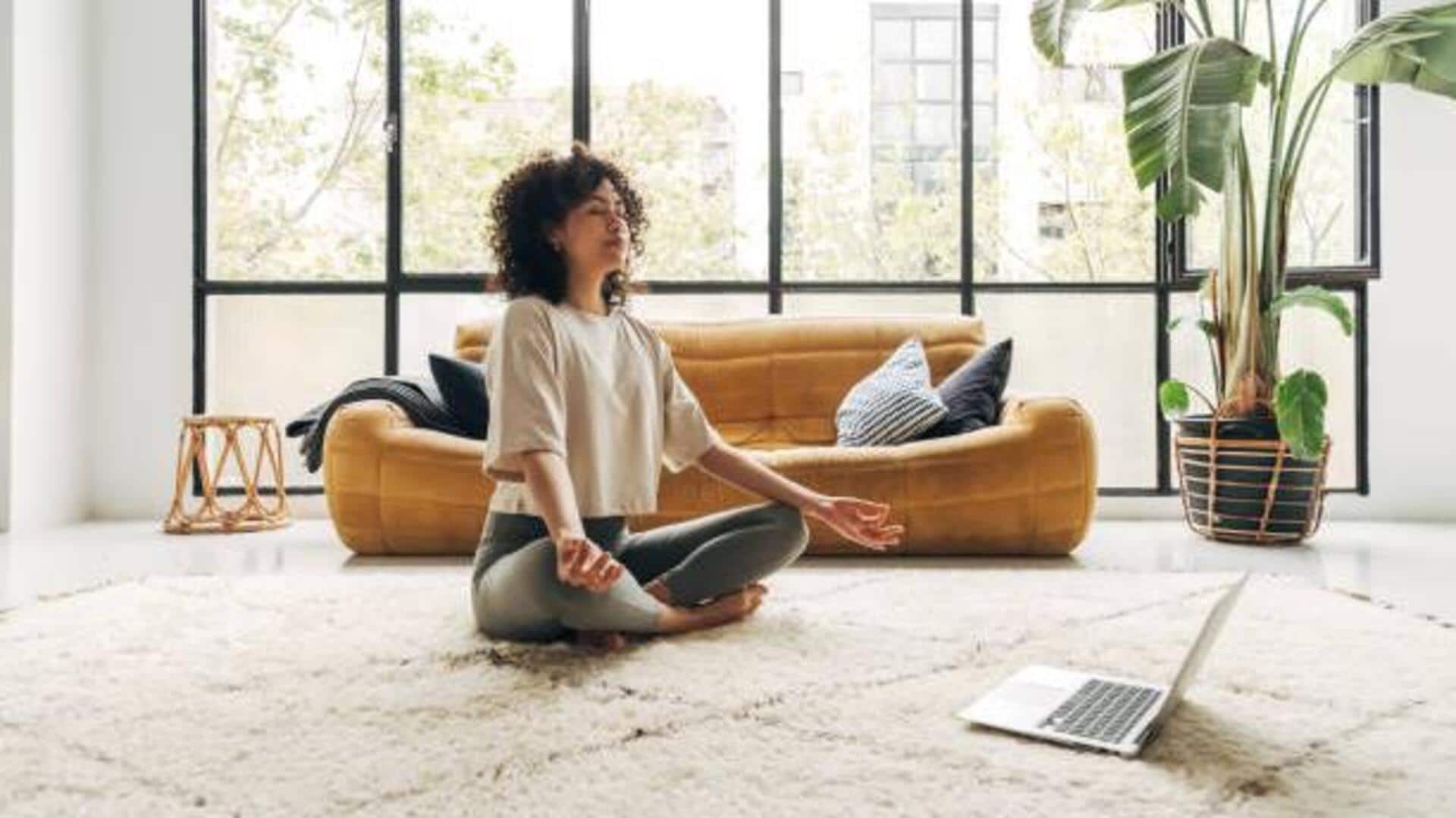
Introduce Calming Scents And Natural Elements
Aromatherapy can significantly influence mood. Scents like lavender, chamomile, sandalwood, or vanilla promote relaxation and reduce stress.
Essential oil diffusers, incense, or natural candles can enhance the sensory experience. Adding indoor plants also improves air quality and introduces a soothing natural element.
Greenery connects indoor spaces with nature, promoting tranquility and visual harmony.
Reduce Noise And Create A Peaceful Soundscape
Noise pollution can disrupt relaxation. Soft background sounds such as calming music, nature sounds, or white noise can create a peaceful auditory environment.
Sound absorbing materials like curtains, carpets, and upholstered furniture help minimize echoes and reduce external noise.
Some individuals explore digital tools and tutorials, including resources like download ghidra, during work hours. In the evening, switching to calming audio helps the mind transition from productivity mode to relaxation.
Establish An Evening Routine For Relaxation
A consistent evening routine signals the body to slow down. Activities such as warm showers, gentle stretching, herbal tea, or reading help prepare the mind for rest.
Avoid stimulating activities close to bedtime, including intense work tasks or excessive screen time.
Discussions about unofficial software versions like capcut mode apk highlight how digital engagement can extend late into the night. Setting boundaries with calming nighttime habits improves sleep quality and overall wellbeing.
Conclusion
Creating a relaxing home environment after a busy day supports mental clarity, emotional balance, and physical recovery. By decluttering spaces, adjusting lighting, adding comfort elements, and reducing digital distractions, individuals can transform their homes into restorative sanctuaries. Small changes in atmosphere and routine can significantly improve relaxation and wellbeing. A peaceful home not only reduces daily stress but also enhances sleep, focus, and overall quality of life. With thoughtful adjustments and mindful habits, any living space can become a haven of comfort and tranquility.