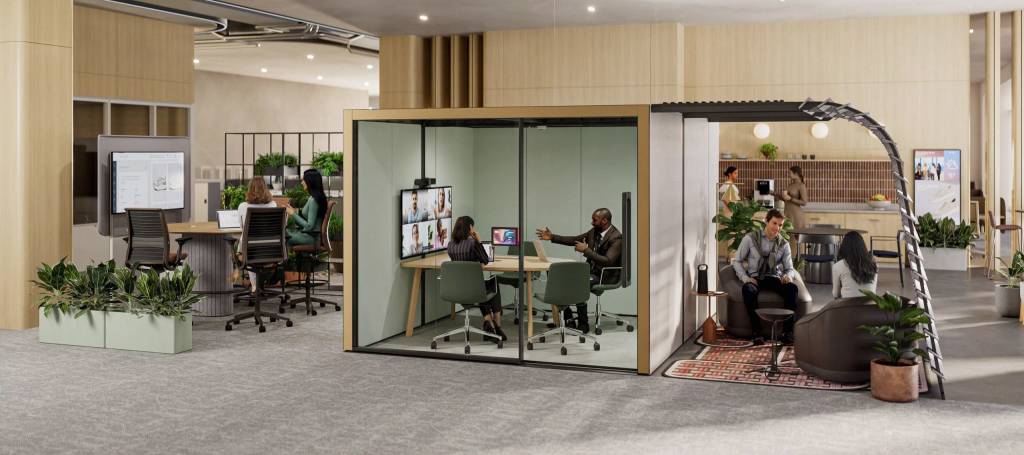
Everyday spaces often go unnoticed because they are designed primarily for function. Kitchens are for cooking, living rooms are for sitting, and workspaces are for productivity. Yet, when these areas are thoughtfully designed, they can offer more than just utility. Even something simple like exploring rojgar sangam reflects how people interact with systems that serve a purpose while also influencing emotions and aspirations. This balance between function and feeling is what transforms ordinary spaces into meaningful environments.
Moving Beyond Pure Functionality
For a long time, design focused heavily on efficiency. Spaces were created to serve a purpose, often ignoring how they made people feel. While functionality is essential, it is not enough to create a truly satisfying environment.
A room that works well but feels cold or disconnected will never be fully comfortable. Rethinking everyday spaces means considering how design can support both practical needs and emotional well being. When these two aspects come together, a space becomes more engaging and fulfilling.
Designing With Emotional Awareness
Emotional awareness in design means understanding how elements like color, layout, and lighting affect mood. Soft lighting can create relaxation, while open layouts can encourage movement and interaction.
The goal is to design spaces that respond to human needs on a deeper level. Just as creative platforms like https://royalfronthandmehndidesign.org focus on visual expression and detail, interiors can also use thoughtful design choices to communicate emotion and personality.
The Balance Between Structure And Flexibility
A well designed space offers both structure and flexibility. It provides a clear purpose while allowing room for change and adaptation. This balance is important because daily routines are not always predictable.
Think of a living room that can easily transition from a work area to a relaxation zone. This adaptability makes the space more useful and enjoyable. It ensures that the environment supports different activities without feeling restrictive.

Creating Flow Through Simplicity
Flow is an essential part of functional and emotional design. When a space is cluttered or poorly arranged, it disrupts movement and creates stress. Simplifying layouts and reducing unnecessary items can improve both usability and comfort.
Even something as simple as a circle game reflects the idea of continuous movement and balance. Similarly, a well designed space should allow natural flow, making it easy to move, think, and relax without interruption.
Personalizing Everyday Spaces
Personalization is what turns a functional space into a meaningful one. Adding elements that reflect your identity, experiences, and preferences creates a sense of belonging.
This could include artwork, photographs, or objects that hold personal significance. Platforms like anfieldedition highlight how shared interests and passions can shape identity. Bringing these influences into your environment makes your space feel more authentic and connected to who you are.
The Role Of Texture And Material
Materials and textures play a significant role in how a space feels. Soft fabrics create comfort, while natural materials like wood add warmth. Combining different textures can make a room feel dynamic and inviting.
The key is to create a balance that supports both function and emotion. Durable materials ensure practicality, while thoughtful textures enhance the overall experience of the space.
Technology As A Support System
Technology has become a central part of modern living, and it plays an important role in shaping everyday spaces. From smart lighting to automated systems, technology can improve efficiency and convenience.
However, it should act as a support system rather than a distraction. Platforms like sfm compile club show how digital tools can enhance functionality when used effectively. In home design, technology should blend seamlessly into the environment, supporting daily activities without overwhelming the space.
Designing For Everyday Moments
Not every space needs to be dramatic or highly styled. Sometimes, the most meaningful designs focus on everyday moments. A comfortable chair for reading, a well lit workspace, or a peaceful corner for reflection can make a significant difference.
These small details contribute to the overall experience of a space. They ensure that the environment supports daily life in a way that feels natural and effortless.

Conclusion
Where function meets feeling, everyday spaces are transformed into environments that support both practical needs and emotional well being. By moving beyond basic functionality and incorporating thoughtful design elements, it is possible to create spaces that feel alive and meaningful. From simplicity and flow to personalization and technology, every detail plays a role in shaping how a space is experienced. When design considers both purpose and emotion, it creates a balance that enhances daily life, making even the simplest spaces feel intentional and complete.