Home gardens have evolved from being simple green spaces into dynamic extensions of the home. Today’s homeowners see gardens not just as decorative features but as personal retreats, entertainment zones, and even eco-friendly sanctuaries. With changing lifestyles, sustainability concerns, and growing interest in outdoor living, garden design trends are rapidly adapting to meet modern needs.
Minimalist Aesthetics With A Personal Touch
Minimalism has influenced many aspects of modern living, and gardens are no exception. Clean lines, uncluttered layouts, and carefully chosen plants create a calming environment. Homeowners are moving away from overly ornate styles, choosing instead to design gardens that reflect subtlety and elegance.
This personal style is much like curating an instagram dp for girls hidden face—an understated aesthetic that communicates beauty and mystery without revealing everything at once. Modern garden design thrives on this principle of simplicity with personality.
Smart Technology In Garden Spaces
Technology has entered the garden in surprising ways. From automated irrigation systems to app-controlled lighting, smart solutions are helping homeowners manage their outdoor spaces with ease. These tools not only save time but also conserve resources like water and energy.
Businesses offering such solutions are easier to find through platforms like . Just as these directories connect homeowners to reliable service providers, smart tech connects people to the future of sustainable and convenient gardening.

Gardens As Emotional Retreats
Beyond function, gardens have become sanctuaries for emotional well-being. Water features, meditation corners, and fragrant plants are being incorporated to create calming retreats that help people cope with stress. For many, spending time in the garden is akin to therapy, offering space for reflection and healing.
This mirrors cultural expressions like MySadShayari, which give voice to emotions that are otherwise difficult to express. Gardens play a similar role in daily life, offering an outlet where individuals can process emotions in a safe, nurturing environment.
Functional Outdoor Living Areas
Modern homeowners are increasingly designing gardens as extensions of their living space. Outdoor kitchens, dining areas, and lounges blur the lines between indoor and outdoor living. This trend reflects the desire for multifunctional spaces where families can cook, eat, and relax together.
When planning property enhancements, tools such as an australia property directory become invaluable. These platforms guide homeowners toward designers, landscapers, and real estate professionals who can help create gardens that add real value to their homes.
Sustainable And Eco-Friendly Choices
Sustainability is no longer an optional trend—it’s an expectation. Homeowners are opting for native plants that require less water, composting systems to reduce waste, and solar-powered garden lights to cut down on energy use. Vertical gardens and rainwater harvesting are also becoming more popular as eco-conscious solutions.
The idea is to design spaces that respect the environment while also enhancing lifestyle. A sustainable garden not only lowers long-term maintenance costs but also fosters a sense of responsibility toward the planet.
Gardens For Entertaining And Socializing
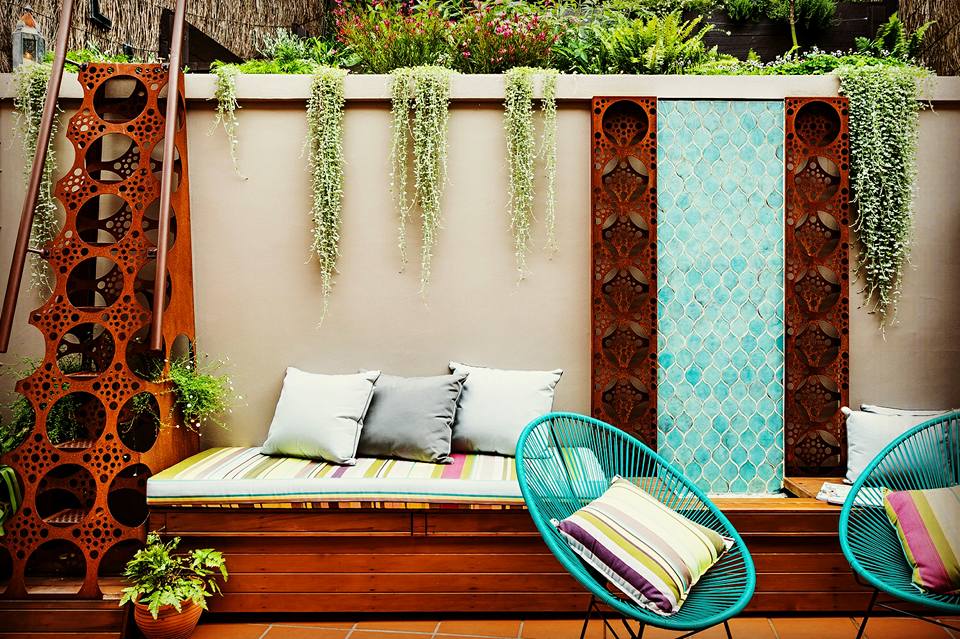
Gardens are no longer just private retreats; they are also becoming social hubs. Fire pits, outdoor bars, and comfortable seating areas encourage gatherings with friends and family. For many, entertaining outdoors feels more relaxed and engaging than formal indoor setups.
This trend is comparable to the role of an Australian restaurant—a place where people gather to share meals and stories. In the same way, modern gardens are being designed as spaces that strengthen social bonds and create lasting memories.
Blending Nature And Architecture
Contemporary garden design often blends natural elements with architectural features. Raised planters, stone pathways, pergolas, and sculptural pieces add depth and dimension. These design elements create harmony between the home’s structure and the garden, making the outdoor space feel like a natural extension of the house itself.
This trend encourages homeowners to treat gardens not just as decorative afterthoughts but as integral parts of architectural planning. The result is a seamless flow between indoor and outdoor environments.
Gardens As Personal Statements
Modern homeowners see gardens as opportunities to express individuality. Whether through color themes, plant choices, or unique layouts, gardens are designed to reflect personal taste and lifestyle. Some people prefer vibrant flower beds, while others lean toward Zen-inspired spaces.
The focus is not on following a single trend but on creating a space that feels authentic and functional. By experimenting with textures, materials, and arrangements, homeowners design gardens that speak to who they are and how they want to live.
Conclusion
Garden design has moved beyond tradition to embrace technology, sustainability, and personalization. From minimalist aesthetics and smart tools to eco-friendly practices and social spaces, modern gardens reflect changing lifestyles and deeper connections with nature. For homeowners, the hidden joy lies in creating spaces that nurture both body and soul. Whether it’s a quiet retreat for reflection, a social hub for family gatherings, or a statement of individuality, today’s gardens are designed to bring meaning and beauty to everyday life.