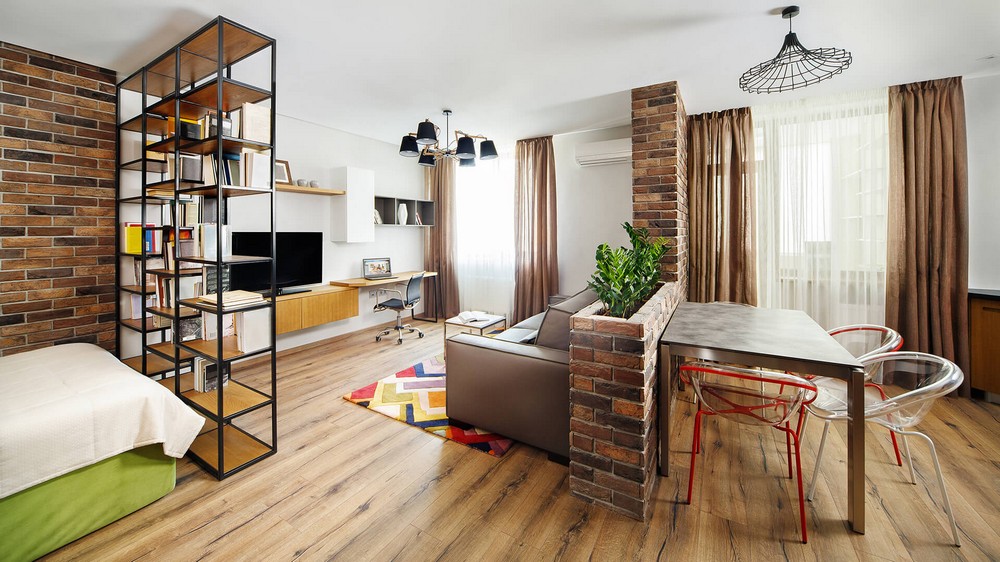
Creating a comfortable home is not always about buying new furniture or spending heavily on renovations. Sometimes, small layout adjustments can completely transform how a space feels and functions. Smart layout tweaks improve flow, maximize space, and enhance daily living without major effort. Whether you live in a compact apartment or a spacious house, thoughtful changes can make a noticeable difference.
Focus on Natural Movement Flow
One of the most important elements of a comfortable home is how easily you can move through it. Cluttered pathways or poorly arranged furniture can make even large rooms feel cramped. Start by observing how you walk through your space daily and adjust furniture to create clear, open paths.
For inspiration and creative ideas, platforms like photosvibes.com can help you visualize layouts that balance aesthetics and practicality. The goal is to ensure that every step you take inside your home feels effortless and natural.
Use Zoning to Define Spaces
Open floor plans are popular, but without clear zones, they can feel chaotic. Dividing your space into functional zones improves both comfort and usability. For example, you can separate a living room into a lounging area and a reading corner using rugs, lighting, or furniture placement.
This strategic thinking mirrors principles used in pedro vaz paulo strategy consulting, where structured planning leads to better outcomes. Applying similar logic to your home layout ensures every area serves a clear purpose without overlap or confusion.
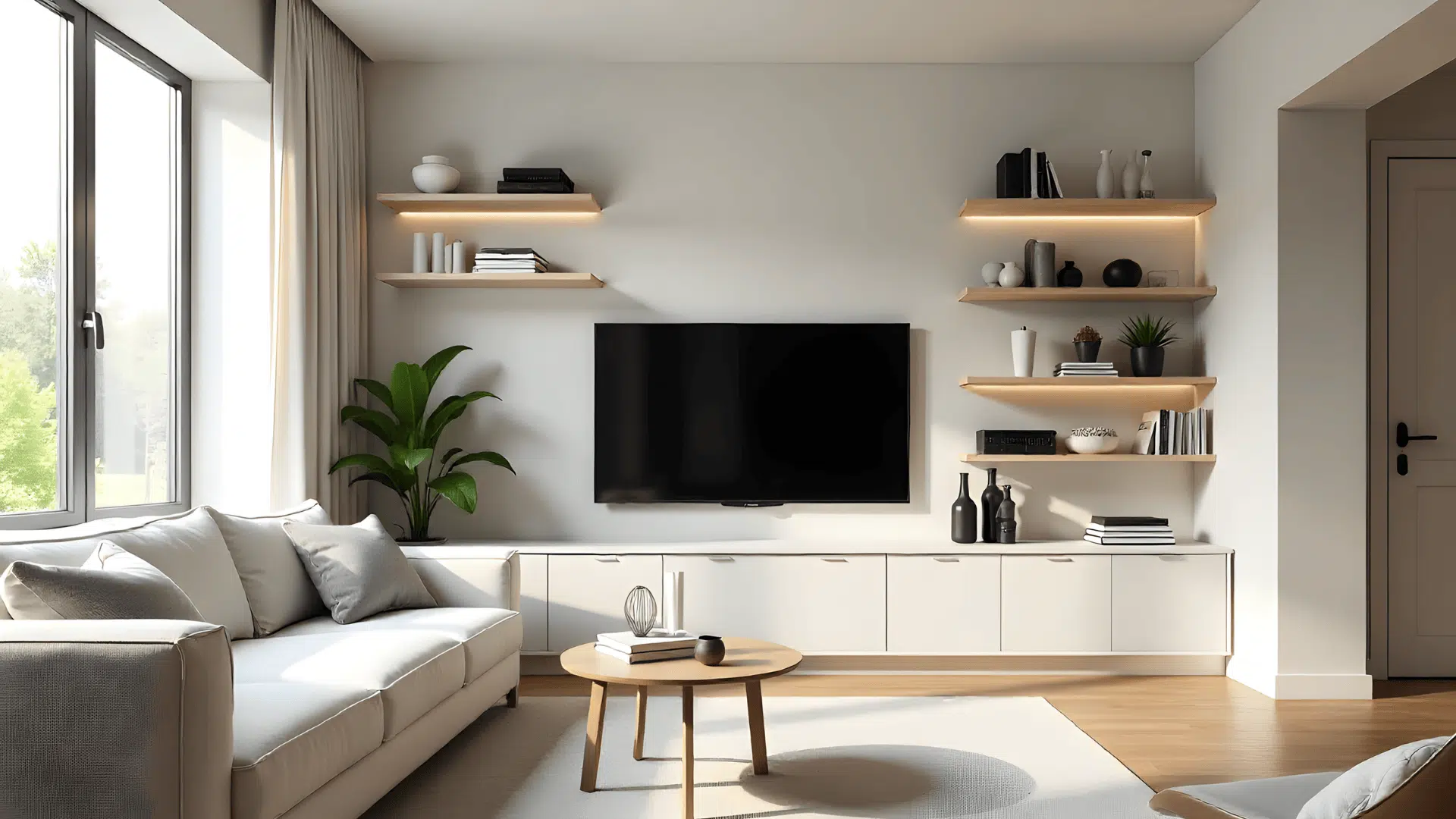
Optimize Furniture Placement
Furniture placement can either enhance or restrict comfort. Avoid pushing all furniture against the walls, as this can make a room feel disconnected. Instead, create conversational groupings where seating faces each other, encouraging interaction and comfort.
Also, choose multi-functional furniture when possible. Pieces like storage ottomans or foldable tables can help you maintain a clean and adaptable layout. Small adjustments in positioning can dramatically improve how welcoming and functional your home feels.
Maximize Natural Light
Lighting plays a key role in comfort. Rearranging your layout to allow more natural light into your space can instantly improve mood and energy levels. Avoid blocking windows with bulky furniture or heavy curtains.
Simple changes, such as placing mirrors opposite windows, can reflect light and make rooms appear larger. You can explore additional ideas and visual examples through pmaygnicingramin.com, where layout inspiration often highlights the importance of light and openness in modern homes.
Create Visual Balance
A well-balanced room feels calming and organized. Balance does not mean symmetry, but rather a harmonious distribution of elements. For example, if one side of the room has a large sofa, balance it with a combination of smaller pieces like chairs or shelves on the other side.
Understanding proportions can be compared to structured systems like the 22 khadi chart in english, where balance and arrangement play a crucial role. Applying similar principles in your layout ensures that no part of the room feels too heavy or too empty.
Declutter with Purpose
Comfort is closely linked to how organized your space is. Too many items can overwhelm both the eyes and the mind. Instead of removing everything, focus on purposeful decluttering. Keep items that serve a function or bring joy, and store the rest neatly.
Introduce smart storage solutions such as wall-mounted shelves or under-bed storage. A clean and organized environment allows your layout changes to stand out and improves overall comfort significantly.
Incorporate Flexible Layouts
Modern living requires flexibility. Your home should be able to adapt to different needs, whether it is working, relaxing, or entertaining guests. Arrange furniture in a way that allows easy movement and reconfiguration.
For instance, lightweight chairs or modular sofas can be moved around effortlessly. This flexibility ensures that your space remains functional for various activities without feeling restricted. Platforms like Realsnaptroid often showcase innovative ideas that highlight adaptability in modern interiors.
Pay Attention to Scale and Proportion
Choosing the right size of furniture is essential for comfort. Oversized furniture in a small room can make it feel cramped, while small pieces in a large space can feel lost. Measure your space carefully and select items that fit proportionally.
A well-scaled layout not only improves movement but also enhances the overall visual appeal of your home. When everything fits just right, the space naturally feels more comfortable and inviting.

Add Personal Touches Thoughtfully
Finally, comfort is deeply personal. Incorporate elements that reflect your personality, such as artwork, plants, or meaningful decor items. However, avoid overcrowding your space with too many decorative pieces.
Place personal items strategically so they enhance the layout rather than disrupt it. A few well-placed accents can make your home feel warm and welcoming without sacrificing functionality.
Conclusion
Improving living comfort does not require drastic changes. Smart layout tweaks such as optimizing movement flow, defining zones, maximizing light, and maintaining balance can transform your home effortlessly. By making intentional adjustments, you create a space that supports both your lifestyle and well-being.
With the right approach, even the smallest changes can lead to a big improvement in how your home looks and feels every day.