
Lighting is one of the most overlooked elements in home design, yet it has a powerful influence on how you feel within your space. The right lighting can create warmth, relaxation, and focus, while poor lighting can lead to discomfort and fatigue. Even during casual moments, like scrolling through funny puns, the way your room is lit can subtly affect your mood and overall experience. Understanding how lighting works allows you to create a home environment that truly supports your well being.
The Emotional Impact Of Lighting
Light directly affects your emotions. Bright, cool lighting tends to increase alertness and energy, making it ideal for workspaces or kitchens. On the other hand, soft, warm lighting creates a calming atmosphere that is perfect for relaxation areas like bedrooms and living rooms.
The intensity and color of light can change how a space feels instantly. A harsh light can make a room feel cold and uninviting, while gentle lighting can make the same space feel cozy and welcoming.
Natural Light And Its Benefits
Natural light is one of the most effective ways to improve mood. Sunlight boosts energy levels, enhances focus, and even supports better sleep patterns. Homes that allow more daylight to enter tend to feel more open and lively.
Just like visually engaging platforms such as Images Planet attract attention through appealing imagery, natural light enhances the visual appeal of your home. It highlights colors, textures, and details, making your space feel more vibrant and alive.
Task Lighting For Productivity
Different areas of your home require different types of lighting. Task lighting is essential for activities that need focus, such as reading, cooking, or working.
Proper lighting in these areas reduces eye strain and improves efficiency. Without adequate task lighting, even simple activities can become tiring and frustrating.
Creating Balance With Layered Lighting
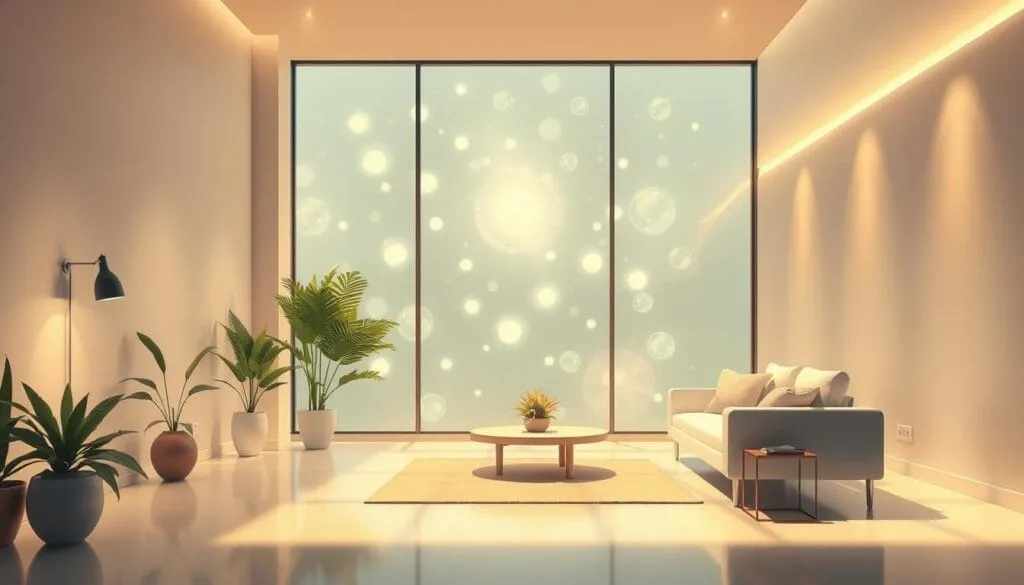
A well lit home uses a combination of lighting types. Ambient lighting provides general illumination, task lighting supports specific activities, and accent lighting highlights design elements.
This layered approach creates balance and flexibility. You can adjust the lighting based on your needs and the time of day, ensuring that your home always feels comfortable and functional.
Lighting And Daily Lifestyle
Your lifestyle plays a major role in determining the right lighting choices. For example, someone who follows updates like cricket women’s may prefer brighter lighting in common areas to stay engaged and alert, while others may prioritize softer lighting for relaxation.
Understanding how you use your space helps you design lighting that aligns with your daily habits. This ensures that your home supports your activities rather than working against them.
Smart Lighting And Convenience
Modern technology has made lighting more adaptable than ever. Smart lighting systems allow you to control brightness, color, and timing with ease.
Platforms like sevasindhuportal.org highlight how digital solutions simplify everyday tasks. Similarly, smart lighting adds convenience by letting you customize your environment instantly, enhancing both comfort and efficiency.
Mood Enhancement Through Design
Lighting can also be used as a design tool to enhance mood. Accent lighting can highlight artwork, create focal points, and add depth to a room.
By strategically placing lights, you can transform the atmosphere of your home. Whether you want a lively, energetic space or a calm, peaceful retreat, lighting plays a key role in achieving that effect.
The Subtle Role Of Lighting In Relaxation
Relaxation is deeply influenced by lighting. Soft, dim lights signal the body to unwind, helping you transition From a busy day to a restful evening.
Even when browsing platforms like coyyn.com, a well lit environment can make the experience more comfortable and less straining on your eyes. This shows how lighting quietly supports both physical comfort and mental ease.
Avoiding Common Lighting Mistakes
Many homes suffer from poor lighting choices, such as relying on a single light source or using overly bright bulbs. These mistakes can create shadows, glare, and discomfort.
To avoid this, it is important to use a mix of lighting types and adjust them according to the function of each space. Thoughtful planning ensures that your home remains both practical and inviting.

Conclusion
Lighting is more than just a functional necessity; it is a powerful tool that shapes how you feel in your home. From enhancing mood and productivity to creating comfort and relaxation, the right lighting choices make a significant difference. By understanding your needs and using a combination of natural and artificial lighting, you can design a space that supports your lifestyle and improves your overall well being. In the end, it is the subtle details, like lighting, that quietly transform a house into a truly comfortable home.
