
Modern living often focuses on clean lines, minimal design, and efficiency. While these elements create visually appealing spaces, they can sometimes feel cold or impersonal. The true essence of a home lies in its ability to feel warm, inviting, and connected to the people living in it. Even something as routine as exploring rtps बिहार ऑनलाइन आवेदन reflects how people seek ease and comfort in systems, a principle that can also be applied to designing living spaces that feel naturally welcoming.
The Role Of Natural Materials
One of the simplest ways to bring warmth into a modern home is by incorporating natural materials. Wood, stone, cotton, and linen add texture and depth that synthetic materials often lack. These elements create a sense of grounding and connection to nature.
Wooden furniture, woven rugs, and earthy finishes soften the sharpness of modern design. They introduce imperfections and variations that make a space feel more human and less mechanical. This balance between modern structure and natural warmth is essential for creating a comfortable environment.
Soft Lighting For A Cozy Atmosphere
Lighting plays a major role in shaping how a space feels. Bright, harsh lighting can make a room feel sterile, while soft, layered lighting creates warmth and comfort. Using warm toned bulbs, table lamps, and indirect lighting can transform the mood of a room.
Natural light during the day and gentle lighting in the evening help create a rhythm that supports relaxation. The goal is to design lighting that adapts to different moments rather than remaining constant.
Personal Touches That Tell A Story
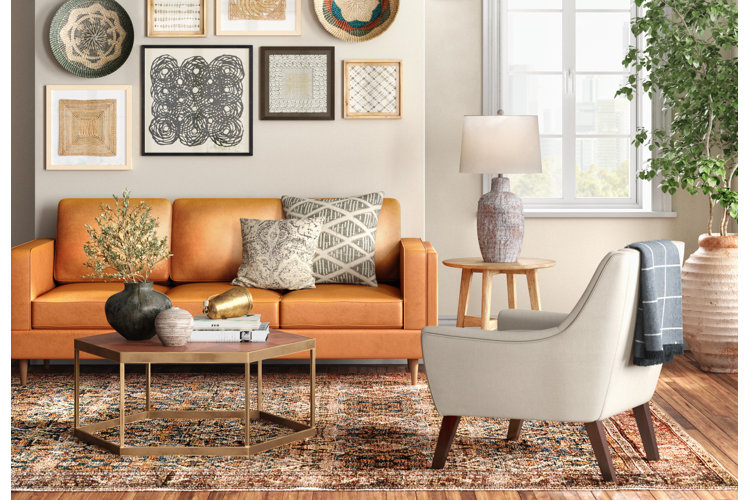
A home becomes warm when it reflects personal experiences. Photographs, travel souvenirs, and meaningful objects add character and emotion to a space. These elements tell a story and make the environment feel unique.
Even digital habits like engaging with platforms such as blooket.com join show how people value interaction and connection. Similarly, adding personal touches to your home creates a sense of belonging and emotional connection that cannot be achieved through generic decor.
Textures That Add Depth
Modern interiors often rely on clean surfaces, but adding a variety of textures can make a space feel more inviting. Soft cushions, layered fabrics, and tactile materials create a sense of comfort.
Combining different textures prevents a room from feeling flat. A mix of smooth, rough, soft, and structured elements adds depth and interest. This layered approach makes the space feel dynamic while maintaining simplicity.
Balancing Minimalism With Comfort
Minimalism is a key aspect of modern living, but it should not come at the cost of comfort. A space can be simple while still feeling warm and lived in. The focus should be on keeping only what is necessary while ensuring that those elements contribute to comfort.
Concepts highlighted by platforms like https://make1mluxury.com often emphasize refined living, where quality matters more than quantity. This approach aligns with creating spaces that feel both elegant and welcoming, combining simplicity with thoughtful design.
Emotional Connection Through Design
Warmth in a home is not just physical but also emotional. The way a space is arranged can influence how people feel within it. Comfortable seating, open layouts, and inviting corners encourage relaxation and connection.
Projects like The Unsent Message Projects show how emotions can be expressed in simple yet powerful ways. Similarly, a home should allow for emotional expression, creating an environment where people feel safe and at ease.
Bringing Life Into The Space
Adding elements of life, such as plants or natural decor, can instantly make a home feel warmer. Plants bring color, movement, and a sense of freshness to any room. They also improve air quality and create a connection to nature.
Even small additions like flowers or greenery can have a significant impact. These elements remind us that a home is not static but constantly evolving.
Simplifying Layout For Ease
A cluttered layout can make a space feel overwhelming. Simplifying the arrangement of furniture and decor allows for better movement and functionality. Clear pathways and organized spaces create a sense of calm.
Platforms like dazcfutbol xyz may represent straightforward access to content, highlighting the importance of simplicity and ease. In home design, a simple layout ensures that the space is easy to navigate and maintain.
Creating Spaces For Connection
Warmth in a home is also about how it supports interaction. Spaces designed for conversation, shared activities, or quiet moments together strengthen relationships. Dining areas, living rooms, and even small seating corners can become places of connection.
Designing these areas with comfort in mind encourages people to spend more time together. This human element is what truly brings warmth into a modern home.
Conclusion
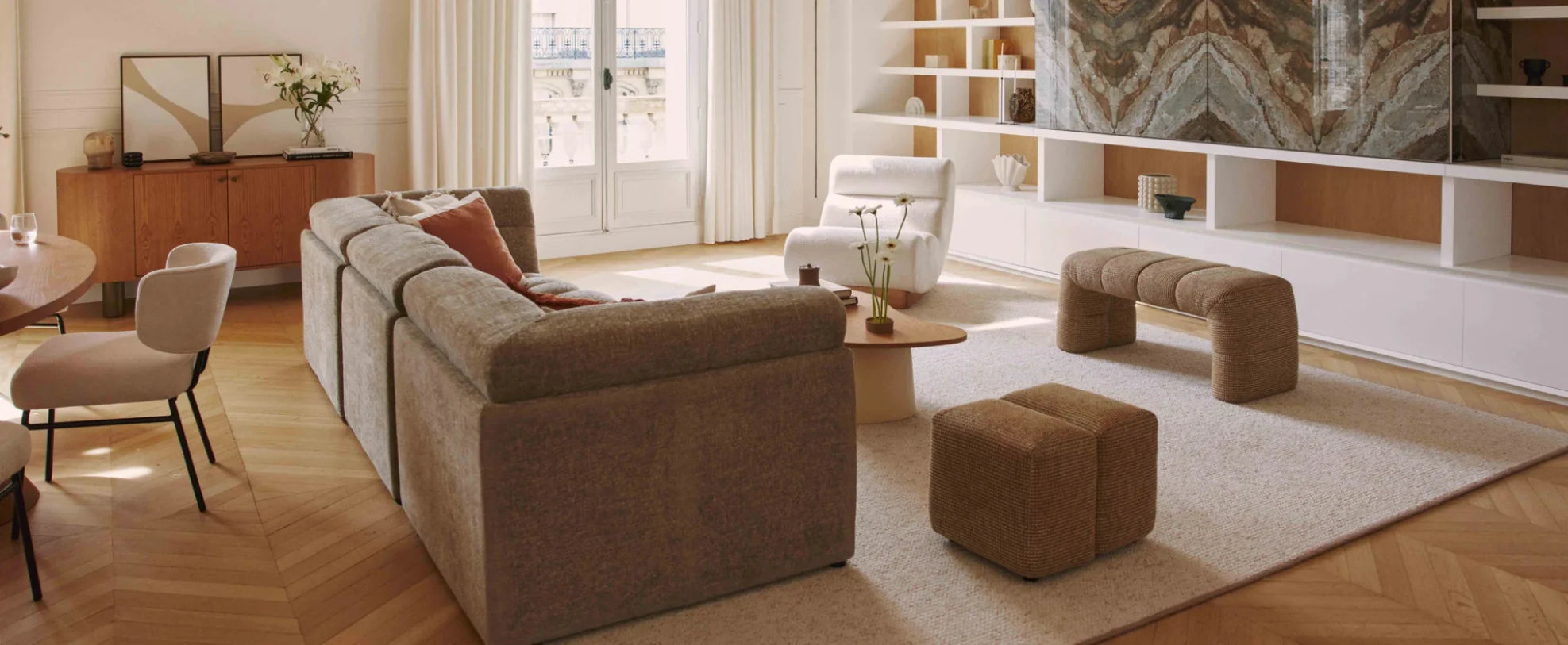
Modern living does not have to feel cold or impersonal. By incorporating natural materials, soft lighting, personal touches, and thoughtful layouts, it is possible to create spaces that feel warm and inviting. Warmth comes from balance. It is the combination of simplicity and comfort, structure and emotion, design and personality. When these elements come together, a home becomes more than just a place to live. It becomes a space that supports well being, connection, and a deeper sense of belonging.