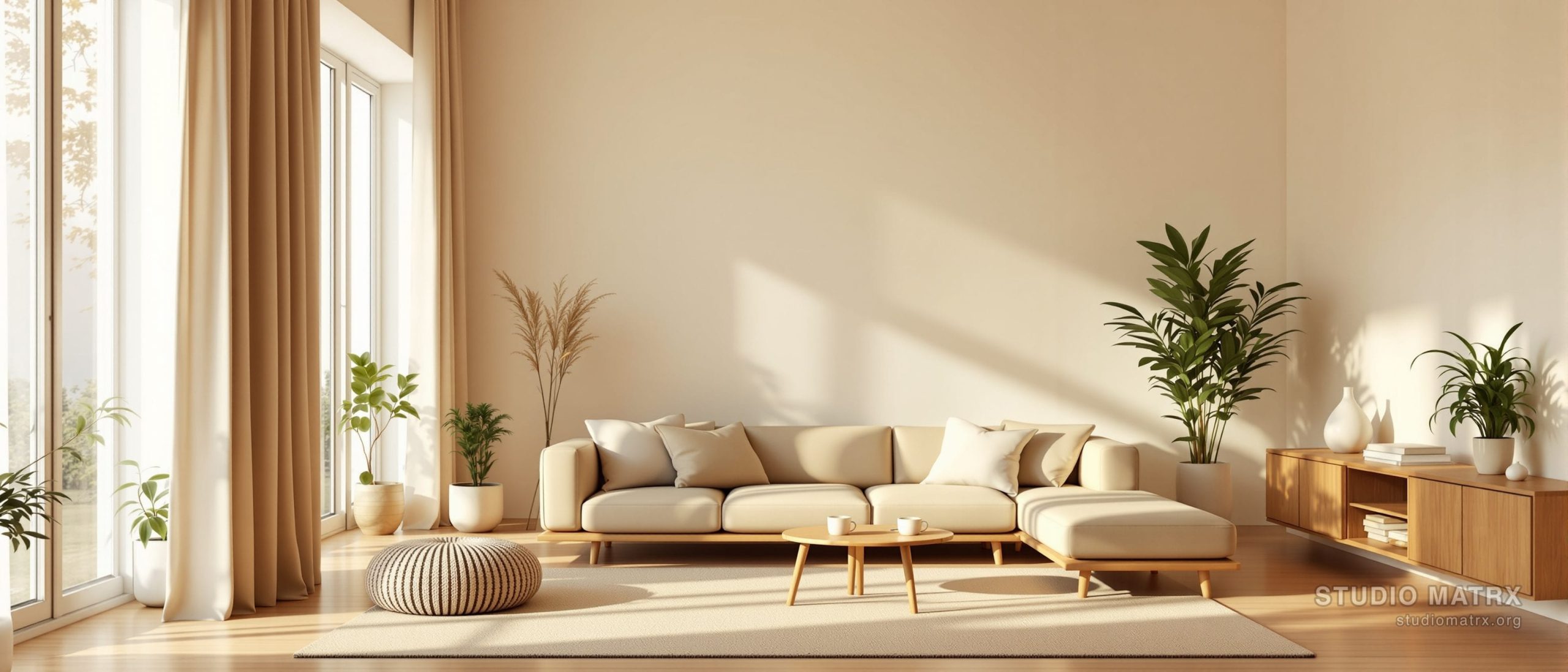
A well designed home does more than provide shelter. It shapes the way people think, work, relax, and interact with family members. As more individuals spend significant time at home for work, study, or personal hobbies, creating a living space that supports focus and daily comfort has become increasingly important. Small changes in layout, lighting, furniture, and organization can transform an ordinary room into an environment that promotes productivity while reducing stress.
Start With a Purpose for Every Room
Every area of a home should have a clear purpose. A room that serves too many functions often becomes cluttered and distracting. Whether it is a dedicated workspace, a quiet reading corner, or a comfortable family gathering area, assigning a primary function helps maintain order and improves concentration.
When planning changes to a room, many people search for reliable online resources for inspiration. Just as users explore digishakti up for educational information, homeowners can benefit from researching practical design ideas before making improvements.

Maximize Natural Light
Natural light plays a major role in improving focus and overall well being. Sunlight reduces eye strain, enhances mood, and helps regulate the body’s natural sleep cycle. Positioning desks or seating areas near windows allows people to take advantage of daylight throughout the day.
If natural light is limited, choose warm LED lighting that closely resembles daylight. Layered lighting, including ceiling fixtures, desk lamps, and floor lamps, creates a balanced atmosphere suitable for both work and relaxation.
Keep Clutter Under Control
Clutter competes for attention and can make even spacious homes feel overwhelming. Regularly organizing belongings and removing unnecessary items creates a cleaner environment that encourages better concentration.
Simple storage solutions such as shelves, baskets, cabinets, and multifunctional furniture help maintain organization without sacrificing style. Establishing a habit of returning items to their designated places prevents clutter from accumulating over time.
Just as people regularly check the Pm Kisan Status Portal to stay updated on important information, developing consistent organizational habits ensures that the home remains functional and stress free every day.
Choose Comfortable and Functional Furniture
Comfort directly influences productivity. Chairs that provide proper back support, adjustable desks, and appropriately sized tables reduce physical strain during long hours of work or study.
In living areas, comfortable seating encourages relaxation without compromising posture. Bedrooms also benefit from supportive mattresses and pillows that contribute to better sleep quality, which in turn improves focus during the day.
Furniture should not only look attractive but also meet the practical needs of everyone using the space.
Create Calm Through Colors and Decor
Color has a noticeable effect on mood. Neutral shades, soft blues, greens, and warm earth tones create peaceful surroundings that encourage concentration. Bright accent colors can be introduced through artwork, cushions, or decorative accessories without overwhelming the room.
Adding indoor plants further enhances comfort by bringing natural elements inside. Plants improve visual appeal while helping create a refreshing atmosphere that many people find relaxing.
As digital platforms such as the pm svanidhi portal simplify access to essential services, thoughtful interior design simplifies daily routines by making living spaces more welcoming and efficient.
Minimize Everyday Distractions
Noise, visual clutter, and constant interruptions reduce productivity. Soft rugs, curtains, upholstered furniture, and bookshelves help absorb sound and create quieter environments.
Technology should also be managed wisely. Organizing charging stations, hiding unnecessary cables, and limiting device notifications during focused work sessions can significantly improve concentration.
Creating designated quiet hours within the household also supports uninterrupted work, reading, or creative activities.
Build Daily Routines Around Your Environment
Even the best designed space delivers greater value when combined with healthy daily habits. Opening curtains in the morning, making the bed, tidying workspaces after use, and scheduling short breaks contribute to a more balanced lifestyle.
Many professionals appreciate organized systems similar to reviewing a jkpaysys salary slip, where information is presented clearly and efficiently. Bringing that same level of structure into everyday home routines helps reduce unnecessary stress and saves valuable time.
Make Comfort a Continuous Process
Improving a living space does not require expensive renovations. Small upgrades completed gradually often have the greatest long term impact. Replacing worn furniture, improving lighting, reorganizing storage, or introducing calming decorative elements can all contribute to a more enjoyable home environment.
Regularly evaluating how each room supports current needs allows homeowners to make practical adjustments as lifestyles evolve. Before beginning your next home improvement project, take time to know more about the habits, activities, and priorities that matter most within your household.
Conclusion
Creating living spaces that support better focus and daily comfort is an ongoing investment in everyday well being. A thoughtfully organized home promotes productivity, encourages relaxation, and helps people manage daily responsibilities with greater ease. By maximizing natural light, reducing clutter, selecting functional furniture, and maintaining simple routines, any home can become a place that supports both personal growth and lasting comfort.