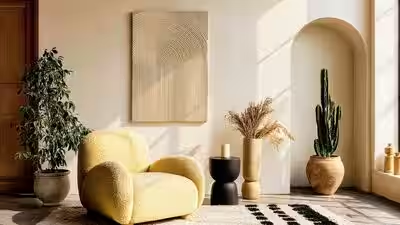
Homes rarely remain exactly as they were originally planned. A room designed for one purpose can slowly become something entirely different as lifestyles, family needs, technology, and everyday routines change. A spare bedroom becomes an office, a dining room turns into a study area, or a garage develops into a home gym. These transformations often happen gradually rather than through a major renovation.
The interesting part is that changing a room’s purpose can reveal a lot about the people living there. Instead of forcing daily life to fit an original floor plan, households naturally reshape their surroundings according to what they need most.
Spare Bedrooms Becoming Workspaces
Remote and flexible work have significantly changed the way spare rooms are used. A bedroom that once waited for occasional guests may now contain a desk, monitor, office chair, shelves, and lighting designed for video meetings. Over time, the bed may become the least important feature in the room.
Digital access has also reduced the need for separate spaces dedicated to paperwork. People can now access services such as the Punjab State Lottery Portal or other online platforms from a laptop or phone. As more everyday activities move online, a small home workspace can become useful for professional responsibilities as well as routine personal administration.
Dining Rooms Turning Into Multipurpose Zones
Formal dining rooms were traditionally reserved for family meals and entertaining guests. In many modern households, however, the dining table serves several purposes throughout the day. It might become a homework station in the afternoon, a temporary office in the morning, and a dining area again in the evening.
This flexibility reflects the increasing number of activities completed digitally from home. Someone researching property information through mee bhoomi ap adangal, for example, does not necessarily need a dedicated study. A dining table and an internet connected device can provide enough space for handling such tasks before the room returns to its original purpose.
Garages Becoming Personal Retreats
The garage is another part of the home that frequently develops a completely different identity. Although originally intended primarily for vehicles and storage, garages can become workshops, exercise areas, hobby rooms, gaming spaces, or creative studios.
This transformation often begins with a small change. A homeowner might add a workbench, followed by better lighting and storage. Eventually, the car remains outside while the garage becomes one of the most frequently used areas of the property. When homeowners research land records or related information through the Bhulekh Uk Official Website, it also demonstrates how property related activities themselves are increasingly managed digitally rather than through spaces traditionally reserved for documents and records.
Corners Becoming Learning Spaces
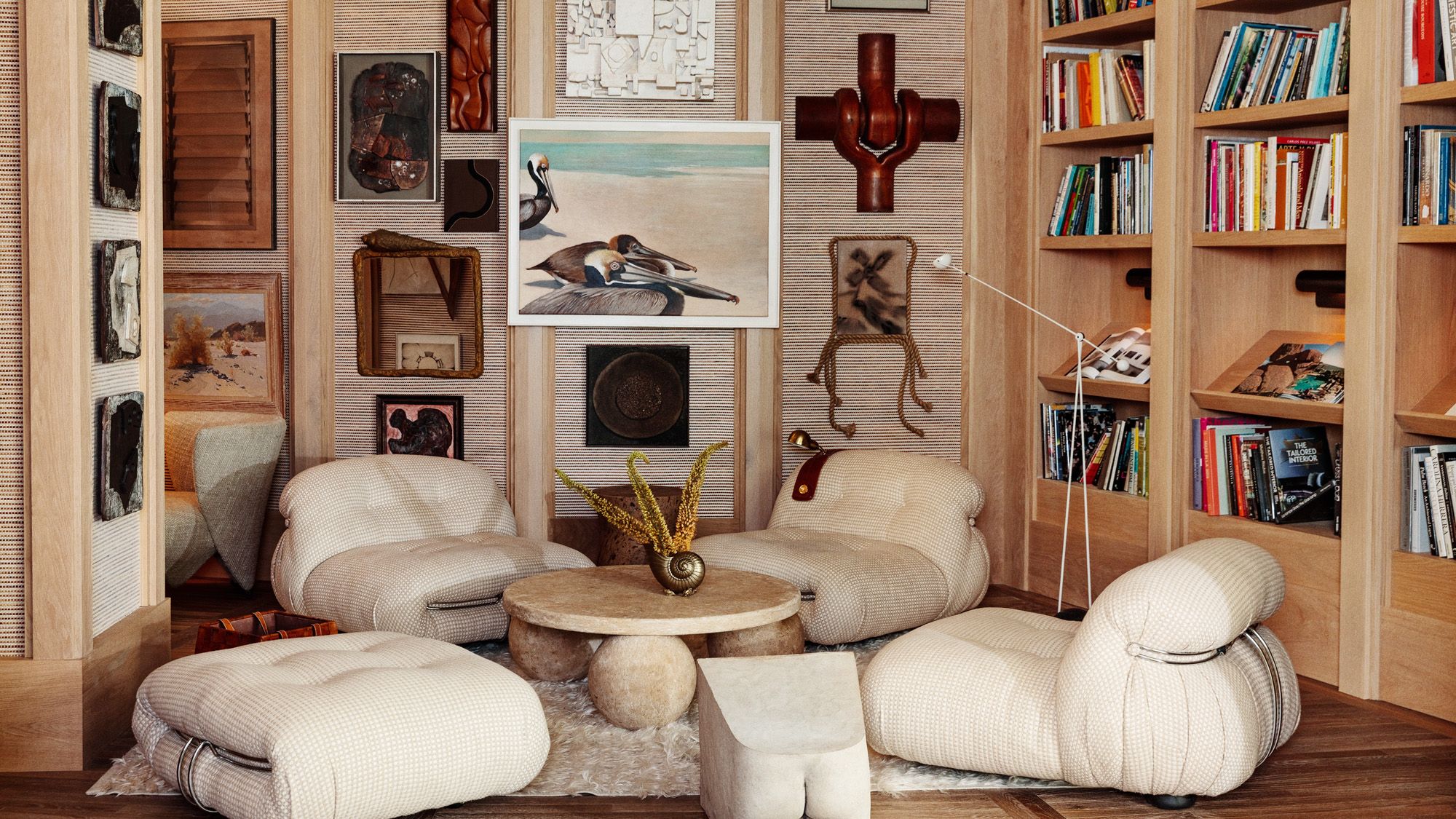
Not every transformation requires an entire room. A quiet corner of a bedroom, living room, or hallway can gradually become a learning zone. A small desk, comfortable chair, charging point, and bookshelf may be enough to establish a useful area for study.
Digital resources have made this kind of flexibility increasingly practical. Platforms such as meebhoomionline represent the broader shift toward information being accessible through connected devices. As education, administration, research, and communication become increasingly digital, households can create functional spaces without major structural alterations.
Living Rooms Serving More Than Entertainment
Living rooms were once strongly associated with conversation, television, and relaxation. Today, they may also accommodate exercise sessions, online classes, children’s activities, temporary workstations, and social gatherings.
Families might rearrange furniture several times during a single week depending on what they are doing. Someone might Visit Prerna or access another educational platform from the living room while another family member uses a different section for reading or working. This adaptability allows one of the largest rooms in the house to support changing household priorities.
Homes Naturally Evolve With Their Occupants
A home’s original floor plan provides structure, but it does not determine how every room must be used forever. Families grow, careers change, children begin studying, hobbies develop, and technology introduces entirely new routines.
The most useful homes are often those that can adapt without requiring constant major renovations. A room does not lose its value when it stops serving its original purpose. In many cases, it becomes more valuable because its new role reflects what the household actually needs.
Ultimately, rooms that gradually take on unexpected purposes demonstrate that a home is not simply a collection of predetermined spaces. It is an environment that evolves alongside the people who live there.